
Machined components for electric-vehicle and e-mobility programmes — battery hardware, busbars, cooling plates, motor parts and charging components — quoted from your drawing revision, from validation builds through to production.
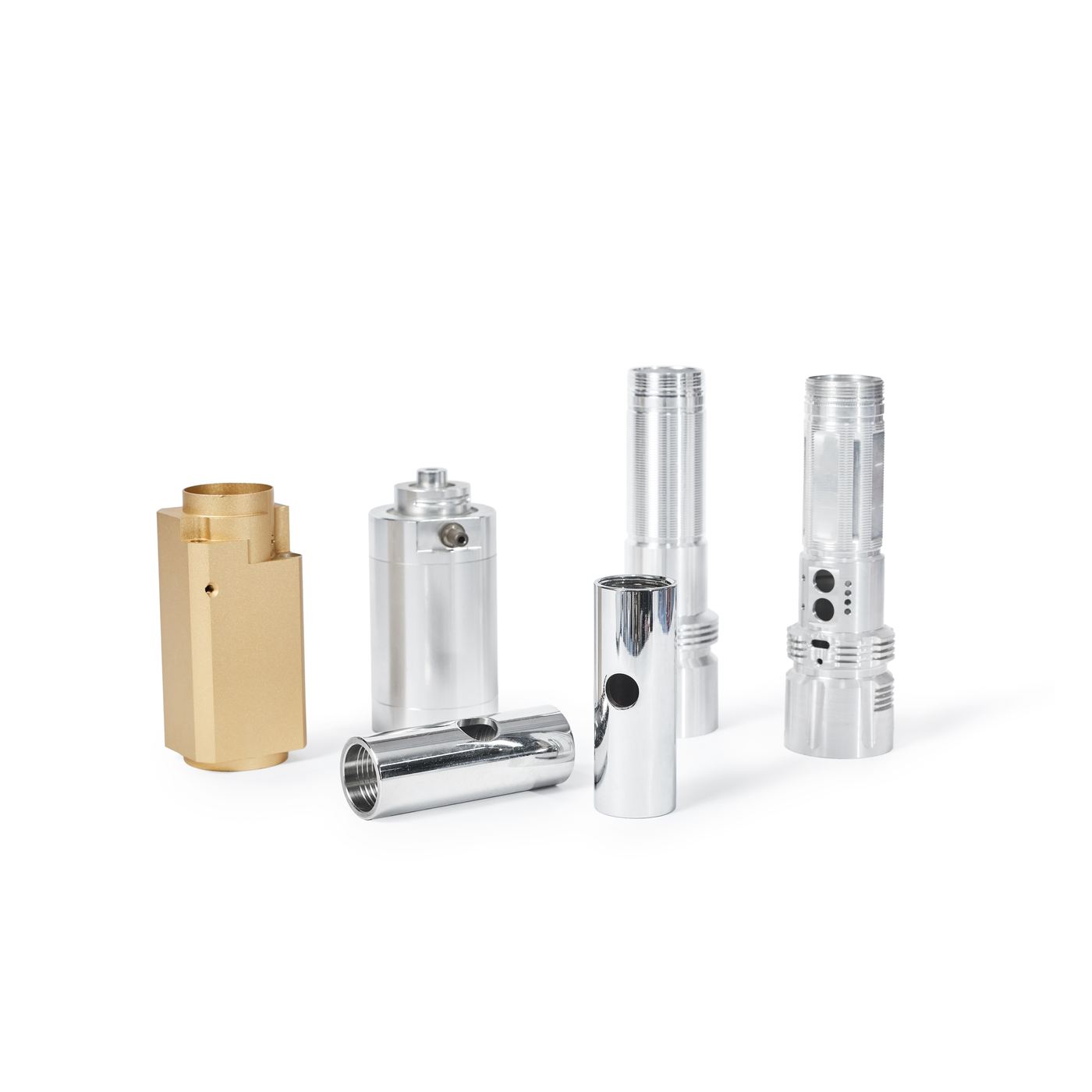
An EV programme usually arrives as a design that is still moving. A build needs a dozen different geometries in small quantities, the design changes after the first fit check, and the materials mix more than a conventional platform — aluminium structure, copper for current, engineering plastics for insulation and retention. That is a different workflow from production machining: short lead times, easy re-quoting on a new revision, and no tooling to write off when the design moves.
Once the design settles, the same parts move to repeat batches against the same drawing and the same inspection plan. Nothing about the part changes between phases — which is the point. See Automotive Machining for how validation orders become locked production processes.
These are the part families EV and e-mobility programmes send us most often:
Different features go to different machines. We pick the route by geometry, material and quantity rather than by habit.
Achievable tolerance depends on the feature, the material and the route. Turning and milling hold one limit, grinding holds a tighter one on suitable features, and a feature that is straightforward in aluminium may need a ground operation in hardened steel. Send the drawing and we will confirm which features we can hold, and by which process, during engineering review.
The material follows from what the part carries and what it has to survive.
| Battery trays and housings | 6061 / 7075 aluminium — see aluminium grades; usually anodized after machining |
| Busbars and contacts | Copper and brass — see copper and brass; burr control and plating specified on the drawing |
| Insulators and retainers | POM and PEEK where a polymer part has to hold a fit — see POM and PEEK |
| Corrosion-exposed hardware | Stainless 303, 304 and 17-4PH — see stainless grades |
Copper and brass need tooling and parameters chosen for the material, not copied from an aluminium job — edge burrs on busbars and thread galling on contacts are process problems, and they are answered during engineering review before the quote goes out.
EV programmes usually start as a design that is still moving. A build needs a dozen different geometries in small quantities, and the design changes after the first fit check. We run those on the same low-volume route as the production part, so the drawing does not change between phases and the part you validate is the part you buy in volume.
What is inspected, and what is documented, is agreed at RFQ. Tell us which characteristics are critical, whether you need a first-article report, a per-batch dimensional report, material certification, or all three. See Quality & Certifications for how inspection is built into the process.
Send the released drawing revision — a 2D PDF and 3D CAD if you have both — together with the material grade, the quantity you need now and the quantity you expect later, the critical tolerances and features, the finish callout, and the inspection or documentation your quality system requires. Add the delivery date you are working to. Our engineers review the drawing before quoting and come back with questions if anything on it is ambiguous.
Everything an engineer needs to quote without guessing.
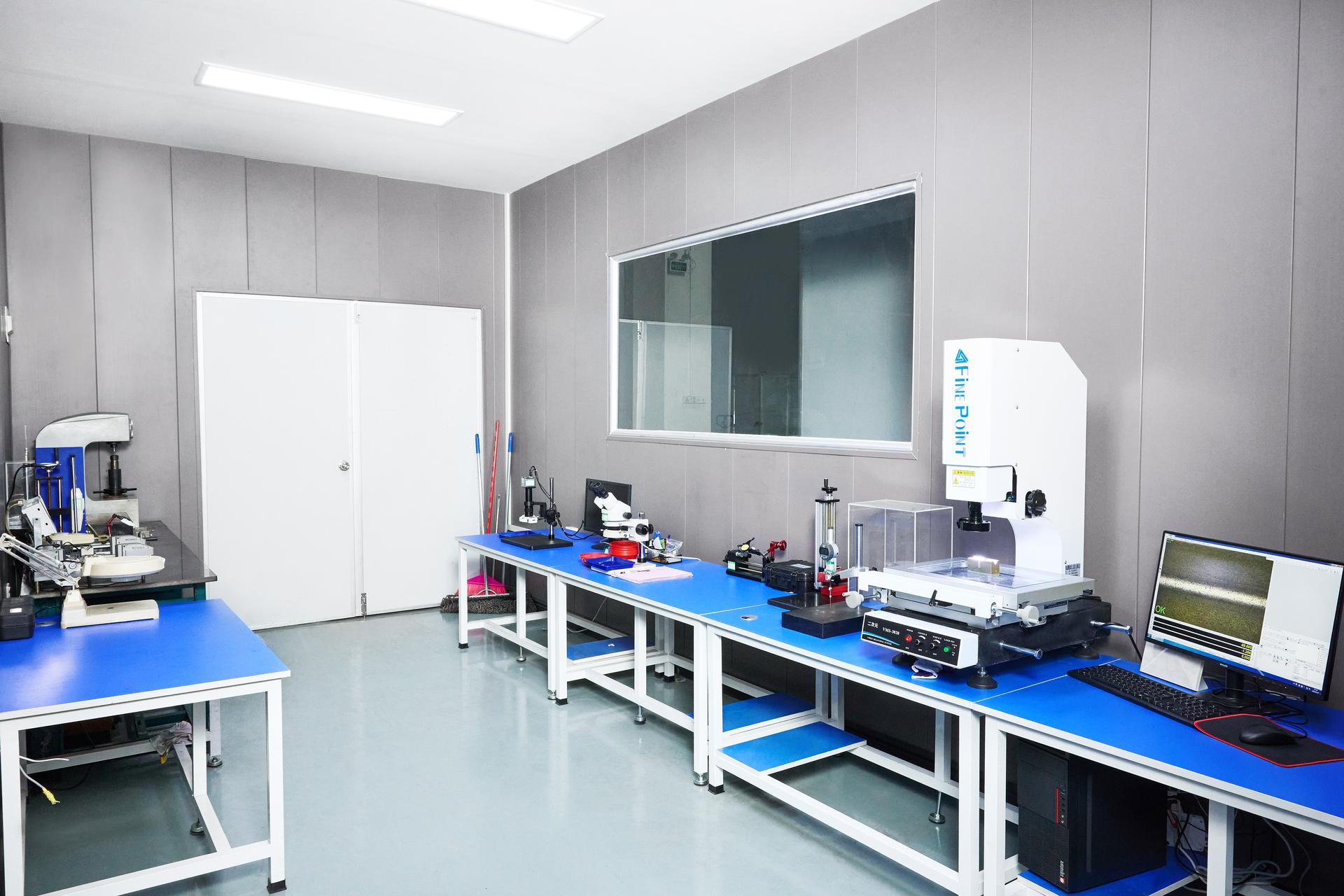 Inspection
Critical features are measured in our metrology lab against the drawing, and the report that goes out with the batch is the one agreed at RFQ.
The machined metal and polymer parts of an EV programme: battery trays and housings, busbars and high-current contacts, cooling plates and thermal-management parts, motor end-plates and housings, sensor and control mounts, and charging hardware and connector bodies. We machine to your drawing — we do not build cells, modules or power electronics.
Copper and brass machine cleanly when the tooling, speeds and feeds are chosen for the material rather than copied from an aluminium job. Burr control on busbar edges, thread galling on contacts and chip management are process questions we answer during engineering review, before the quote, not after the first batch.
It depends on the feature, the material and the process route. Turning and milling hold one limit, grinding holds a tighter one on suitable features, and a feature that is straightforward in aluminium may need a ground operation in hardened steel. Send the drawing and we will confirm which features we can hold, and by which process, during engineering review.
There is no minimum order quantity. EV programmes typically start with validation parts and prototypes while the design is still moving, then move to repeat batches once it is fixed. Both run on the same process route, so the part you validate is the part you buy in volume.
Material documentation and dimensional inspection reports are available, and what is supplied is agreed at RFQ so it matches what your quality system expects. Tell us at quote stage whether you need documentation per batch or per first article, and whether it has to follow a format your system specifies.
Upload your 2D drawing and 3D CAD, the material and quantity, the critical tolerances and features, the finish, and the inspection or documentation you need. Our engineers review every request personally and come back with questions before a price.