
Regulated machining for surgical, instrument, and implant-adjacent components, produced to your drawing. Full traceability, material certs, and lot control, to ±0.003mm when technically appropriate.
Medical device components live in a different supply chain than general machining. Buyers ask for material certificates, lot traceability, validated inspection, and retained records so any part can be traced back to the raw bar, the machine, the operator, and the inspection result. ISO 13485 is the quality management standard that requires us to control those things systematically, not ad hoc.
Our machining of hardware has been certified to ISO 13485. We machine surgical instruments, diagnostic equipment components, implant-adjacent parts, and device housings in titanium, 316L stainless, aluminum, and medical-grade plastics. Every medical order ships with the documentation your quality team expects, and the same engineering team that quotes your part stays on it through production.
| Quality system | Documented quality system with material and lot traceability; certification documentation is available on request. |
| Tightest tolerance | ±0.003mm (CNC) / ±0.001mm (grinding), when technically appropriate |
| Materials | Ti-6Al-4V, 316L SS, 17-4 PH, aluminum 6061/7075, PEEK, PTFE, Delrin |
| Documentation | Material certs, FAI, final inspection, lot traceability |
| Typical CNC lead time | 10–20 days |
And why a general machine shop is not the same as one working to a documented quality system.
ISO 13485 is the quality management standard written specifically for medical devices. It takes the ISO 9001 baseline and adds requirements that matter when a part ends up in or near a patient: design control, risk management, traceability, validation, and retained records.
For a machine shop, the practical effects are specific. Material certificates are not optional. Every lot is traced from raw material through machine and operator to inspection result. Inspection methods are documented and repeatable, not improvised. Non-conforming parts are segregated and dispositioned, not quietly shipped. Records are retained so a part shipped two years ago can be traced if a field issue surfaces.
A shop without ISO 13485 can machine a part to the same dimension. It cannot, however, give a medical buyer the documentation and process control their quality system requires. That gap is why ISO 13485 is the entry requirement for regulated medical supply.
| Material certs | Required on every lot |
| Traceability | Material, machine, operator, inspection |
| Inspection | Documented, repeatable, retained |
| Non-conformance | Segregated and dispositioned |
| Records | Retained for field traceability |
The same engineer who reviews your drawing prices it and stays on the order through production and shipping. No hand-off to a shared sales inbox, no re-explaining your spec to someone new at each stage.
If your drawing needs an NDA in place first, ask before you send it. We sign NDAs for medical drawings routinely.
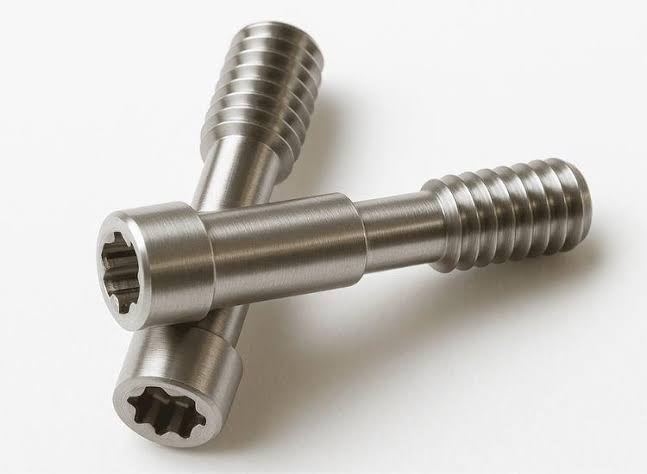
Ti-6Al-4V. Biocompatible, high strength-to-weight. Implant-adjacent and structural components.
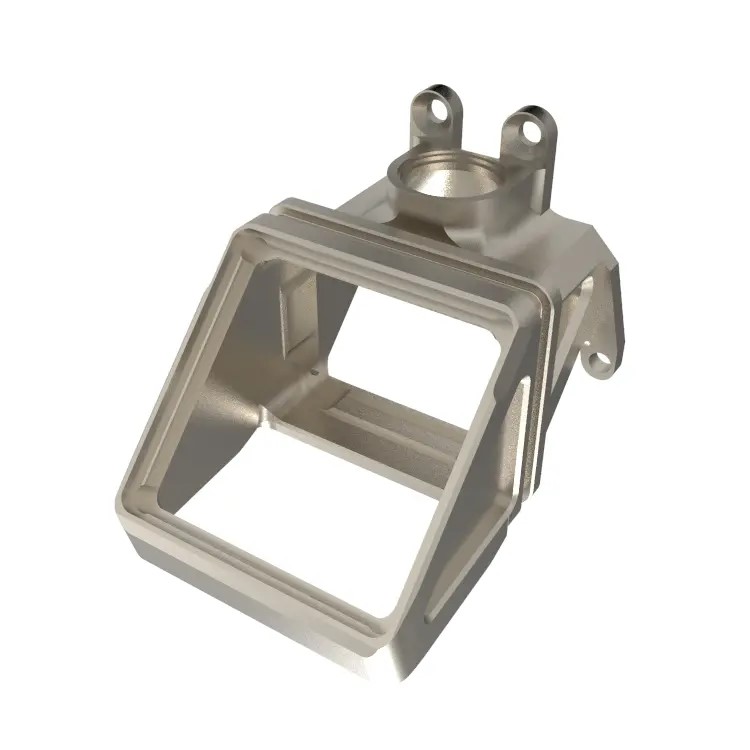
Low-carbon austenitic stainless. Corrosion resistant, widely used in surgical instruments and implants.
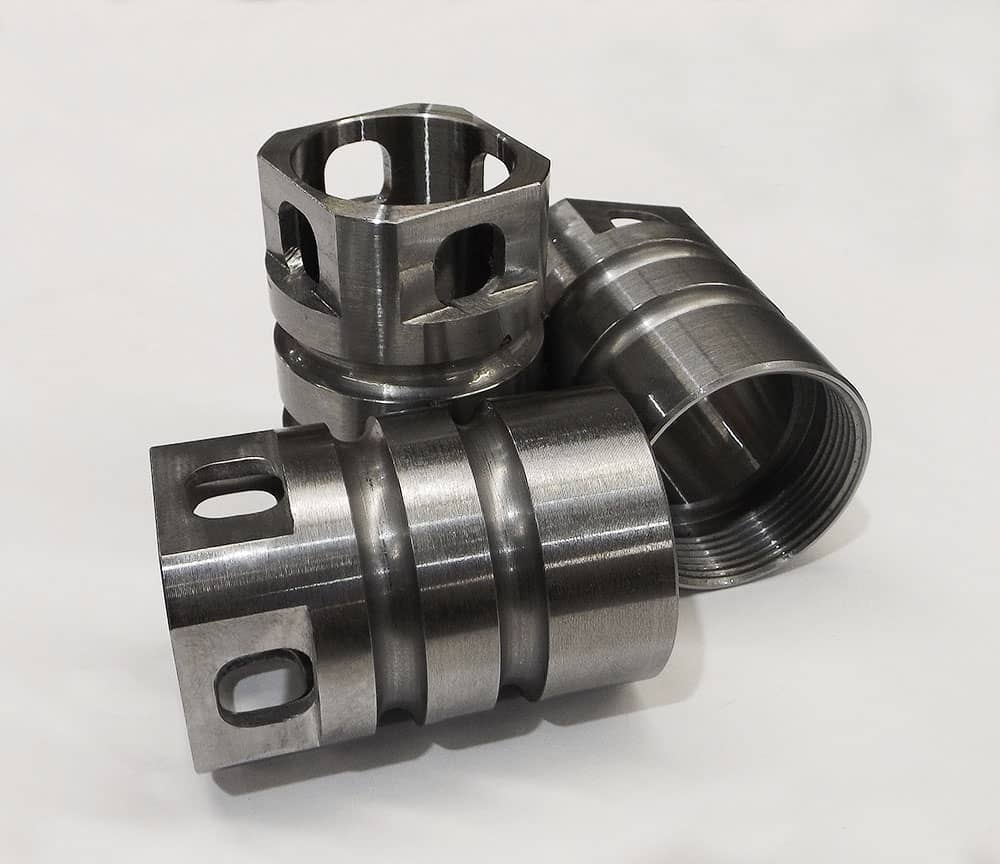
Precipitation-hardening stainless. High strength for instrument shafts and structural medical parts.
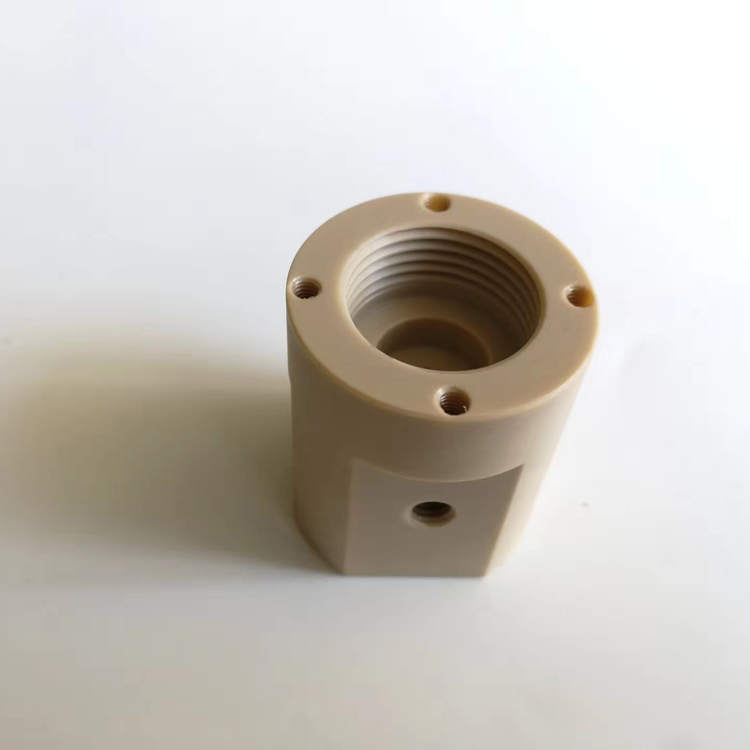
PEEK, PTFE, Delrin. Radiolucent, chemically inert components and insulators.
| Material certificate | Mill cert, included on every order |
| First article inspection | Reported against your print before production continues |
| Final inspection | Dimensional report against your print |
| Lot traceability | Material, machine, operator, inspection linked to your lot |
| Certificate of conformance | Available on request |
Additional documentation such as process validation records or specific format requirements are confirmed with your quote.
| Linear dimension | ±0.003mm (CNC) / ±0.001mm (grinding), when technically appropriate |
| Feature-to-feature (single setup) | Held in one fixturing, confirmed per drawing |
| Hole diameter (not reamed) | Confirmed during engineering review |
| Shaft diameter | Confirmed during engineering review |
Tolerances vary by material, geometry, and process. Exact tolerances are confirmed against your drawing with every quote.
ISO 13485 is the quality management standard specific to medical devices. For a machine shop it means documented process control, lot traceability, validated inspection, and retained records so every part can be traced back to material, machine, operator, and inspection. It is the baseline requirement for supplying machined components into regulated medical device supply chains.
We machine implant-adjacent and instrument components in titanium Grade 5, 316L stainless, and medical-grade plastics. Whether a specific implant application is in scope is confirmed against your drawing and intended use. Send your requirements and our engineering team will confirm fit and any validation needs.
Material certificates, first article inspection reports, final inspection against your print, and lot traceability. Additional documentation such as certificates of conformance or process validation records are available on request, confirmed with your quote.
We hold ±0.003mm on standard CNC work and ±0.001mm on ground features. Medical components often require tight feature-to-feature accuracy, which single-setup 5-axis machining supports. Exact tolerances are confirmed against your drawing with every quote.
Yes. Ask for our NDA before you send anything and we will get it signed first. Medical drawings often carry IP we treat as confidential by default.
Upload your CAD file, material, intended use, and target quantity. Our engineering team reviews manufacturability and traceability requirements, then quotes. No automated pricing, no shared sales inbox.