
Structural parts, shafts, housings and mounts for robotics and automation builds — from prototype iteration through to production quantities.
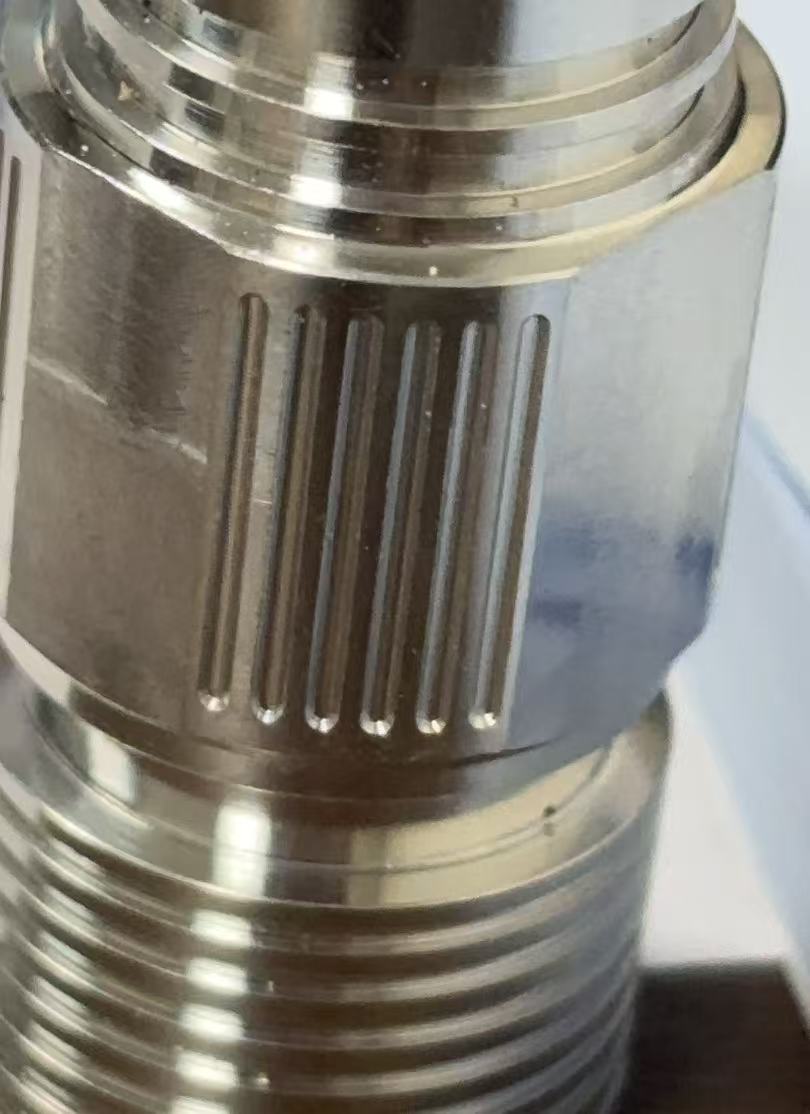
A common mistake in robotics sourcing is treating the whole assembly as tolerance-critical. Some parts do need it: a bearing seat, a shaft journal, a mating face that sets alignment, a pin hole that has to line up with its partner. Plenty of others do not — a mounting plate, a cover, a bracket that only has to clear its neighbours.
Applying a tight tolerance where it is not needed adds cost and lead time without adding function. We read the drawing for the features that actually drive the assembly, and tell you when a callout is doing more than it needs to. Where a tolerance is genuinely required, we confirm which process holds it and by which route.
Robotics and automation builds usually mix processes in one bill of materials, which is why sourcing them from one supplier saves a round of coordination.
Aluminium is the default for structural and housing parts. Stainless and engineering plastics take the applications where aluminium is the wrong answer.
Robotics programmes usually start as a design that is still moving. A build needs a dozen different geometries in small quantities, and the design changes after the first fit check. That is a different workflow from production: short lead times, easy re-quoting on a new revision, and no tooling to write off when the design moves.
Once a design settles, the same part moves to repeat production against the same drawing and the same inspection plan. Nothing about the part changes just because the quantity went up. Before it settles, that first phase is low-volume CNC manufacturing in the literal sense: a dozen geometries, small quantities, and requoting on each revision.
Dimensional inspection is available, and what is reported is agreed at RFQ. For most robotics work a dimensional report on the critical features is enough. Where a fit matters, tell us which features have to match and we will measure those against the drawing.
See Quality & Certifications for how inspection is built into the process. Certificate documentation available on request.
Send the drawing revision — a 2D PDF plus 3D CAD if you have it — with the material and finish, the quantity you need for this build and any production volume you expect later, the critical fits and features, and the delivery date. If the design is still moving, say so; quoting against a revision that is about to change wastes everyone's time. See How It Works for what happens between the quote and the first delivery.
Everything an engineer needs to quote without guessing.
A 50-piece sample batch in 7075-T6 with black hard anodizing and green screen printing, machined to the customer's ±0.02 mm post-finishing drawing tolerance. Shenghao supplied dimensional, material and surface-finish documentation with the order.
Read the Blue Robotics project account →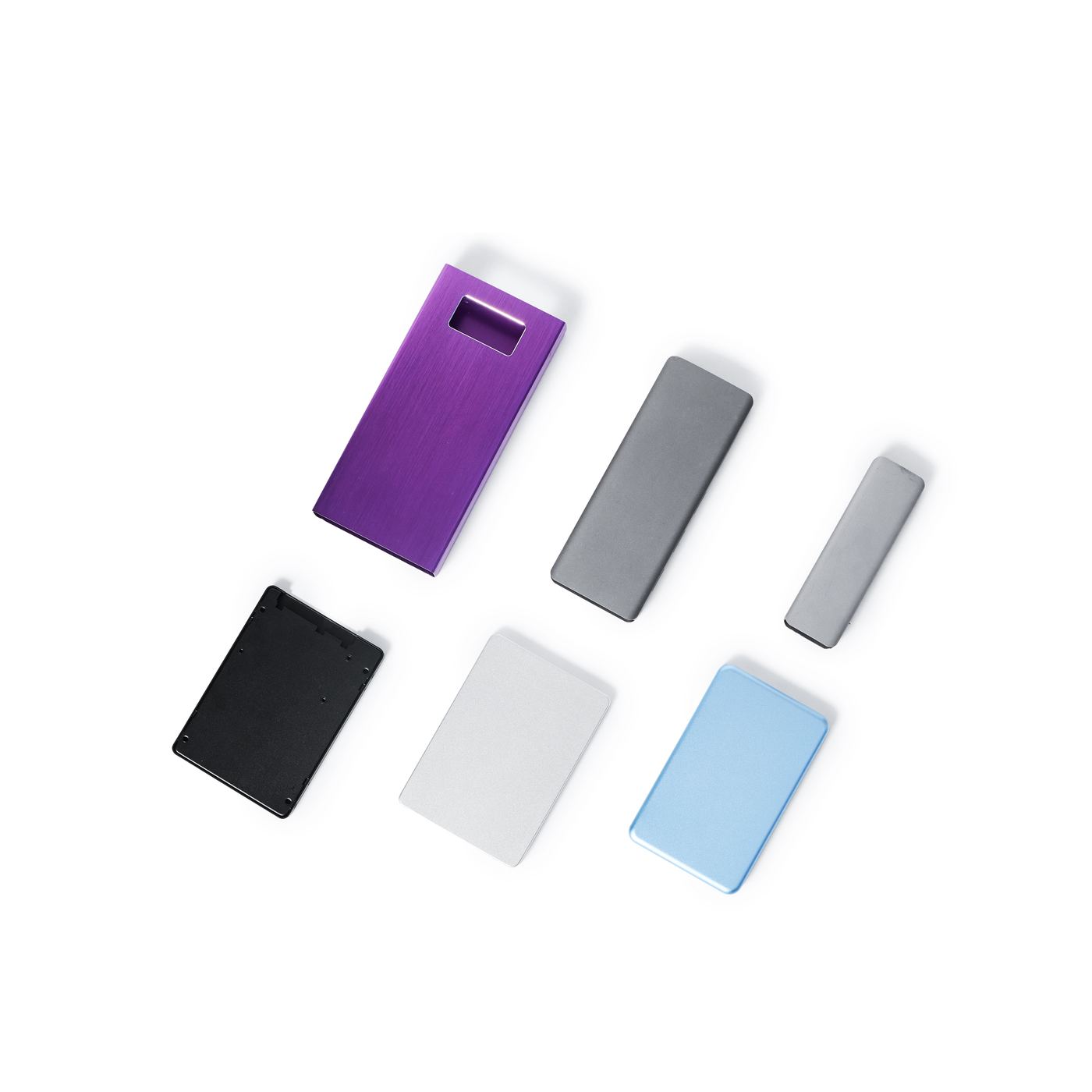 From the shop floor
Machined enclosure bodies, covers and panels, finished and inspected before they ship.
No, and specifying one where it is not needed adds cost and lead time without adding function. The features that matter are usually the ones that set alignment or carry a fit: bearing seats, shaft journals, pin holes and mating faces. Send the drawing and we will tell you which callouts are driving the price.
Yes. Machining both parts against the same drawing set means the fit can be checked before they ship rather than discovered on assembly. Tell us at RFQ which features have to match and we will measure them.
One part. Robotics and automation builds often need a single bracket, or a handful of parts, to prove a design, and there is no minimum order quantity. The engineering review is the same whether you order one part or a hundred.
Yes, but it has to be planned before machining. Anodizing builds a surface layer, so a dimension that applies after finishing has to be machined with that layer in mind. Tell us which dimensions are measured after finishing and we will work the process around them.
Yes. Aluminium and stainless are the most common, but POM (Delrin) and PEEK are both used for bushings, spacers and low-friction parts. Material choice is confirmed during engineering review.
Upload your 2D drawing and 3D CAD, the material and finish, the quantity for this build, and the fits that have to match. Our engineers review every request personally and come back with questions before a price.