
Repeatable machined components for automotive and EV programmes, quoted from your drawing revision and inspected to an agreed plan.
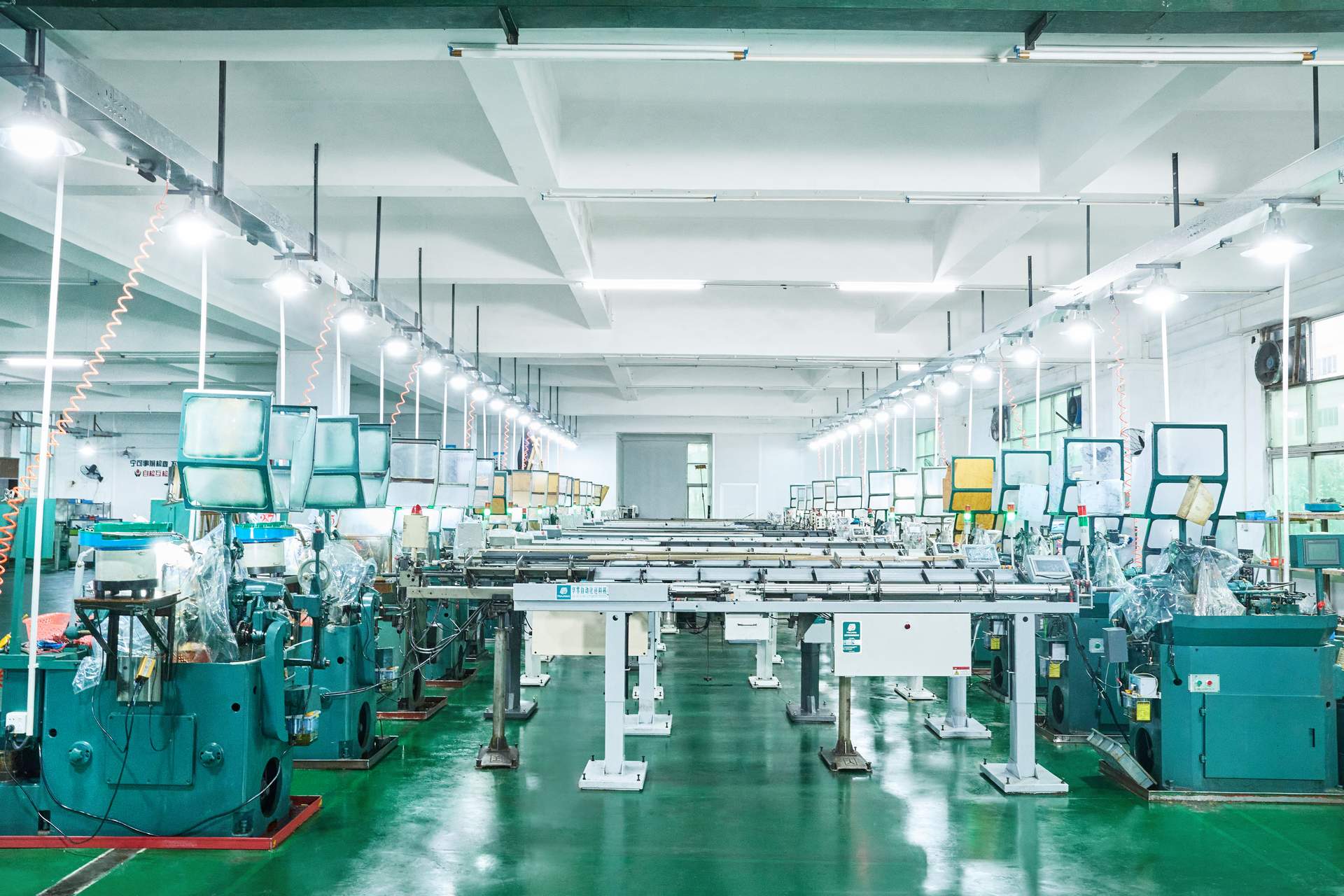
On a prototype the job is to get a part that proves the design. On a production order the job is to get the same part again, and again, to the same drawing, with the inspection evidence to show it. Those are different problems, and the second one is where automotive programmes usually come unstuck.
Repeatability comes from fixing the process, not from trying harder on each run. Once the first article is approved we lock the setup, the tooling and the inspection plan, so run two hundred is machined the same way as run two. If something has to change — a revision, a material substitution, a callout that turns out to be impractical — it goes back through review instead of being absorbed on the shop floor.
Automotive drawings carry information that changes the machining route: a datum scheme that has to survive every operation, a GD&T callout that rules out a soft setup, a surface note that forces a secondary process, a heat treatment that has to happen between two machining operations.
We review all of that before quoting. If a callout cannot be held by the route we would normally take, you hear it in the quote — with the alternative route and what it costs — rather than as a deviation after delivery.
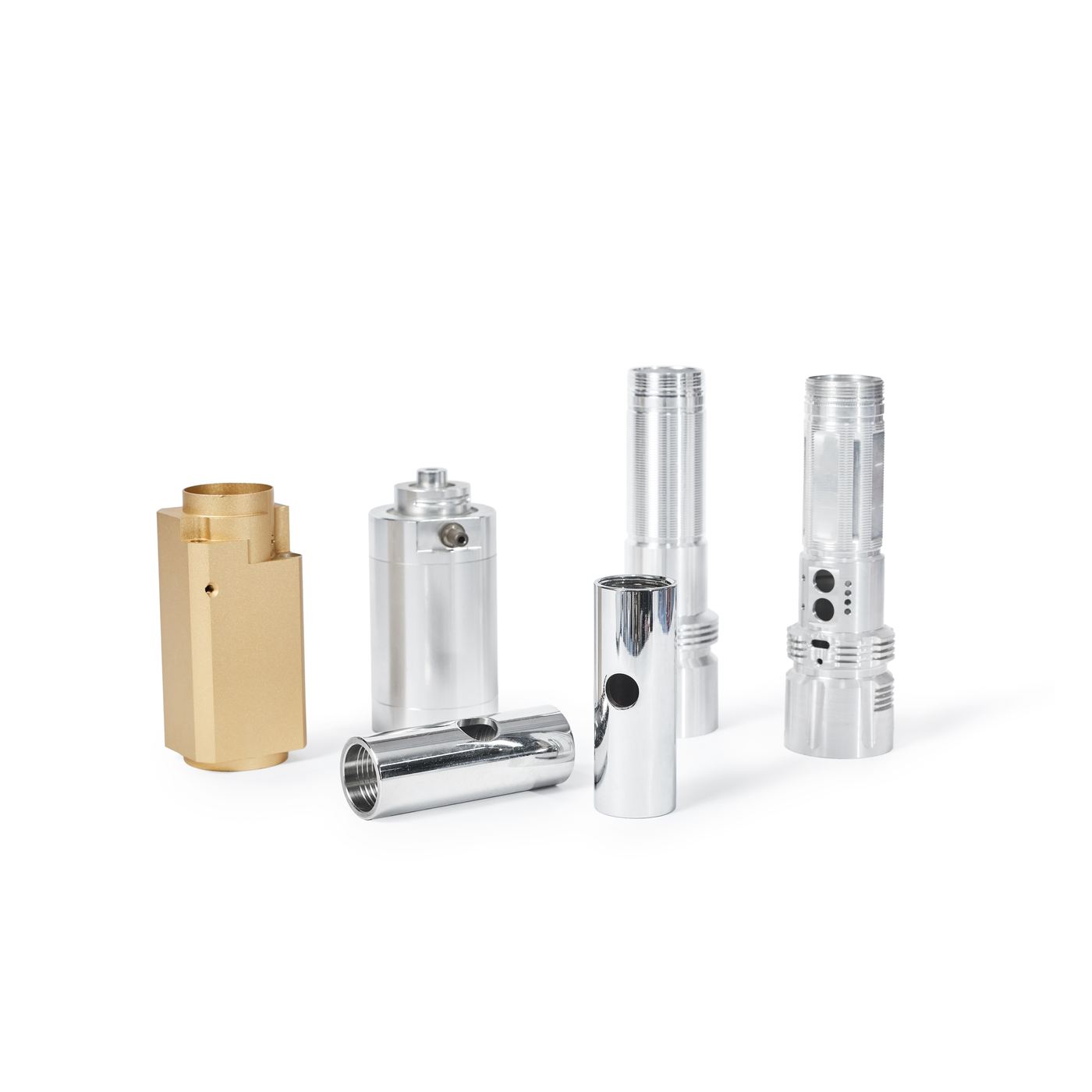
Most automotive work is aluminium and steel, with stainless and engineering plastics where the application calls for them.
Quantities run from a handful of validation parts to repeat production batches. There is no minimum order quantity: start with one part to prove the design, then scale once it is fixed.
What is inspected, and what is documented, is agreed at RFQ. Tell us which characteristics are critical, whether you need a first-article report, a per-batch dimensional report, material certification, or all three, and whether the documentation has to follow a format your quality system specifies.
See Quality & Certifications for how inspection is built into the process. Certificate documentation available on request.
Our IATF 16949 certification was registered for manufacturing of metal machined parts. Product design is excluded from that scope — Clause 8.3 does not apply. In practice that means we manufacture to the design you release: we do not design the component, and the certificate should not be read as covering design activity.
The certificate is a quality management system certification. It is not a part approval, and it is not a substitute for your own first-article, PPAP or supplier-qualification process. If your supplier qualification needs the certificate and its scope statement, ask for it with the RFQ.
Send the drawing revision with a 2D PDF and 3D CAD if you have both, the material and any specified grade, the quantity for validation and the annual or per-release volume you expect, the critical tolerances and characteristics, the finish and secondary-process callouts, the inspection and documentation requirements, and your delivery date. If the programme has a target price or a known cost-down path, say so — it changes which route we recommend. See How It Works for what happens between the quote and the first delivery.
Everything an engineer needs to quote without guessing.
 From the shop floor
The same setup, the same tooling and the same inspection plan on every run is what makes a production batch match the first article. Send the drawing and the volume you expect, and we will tell you which route holds it repeatably.
Yes. A first article is inspected against the drawing before the batch is released, and the process is locked once it is approved. If you want the first article submitted as a formal report, say so at RFQ and we will agree the format before the order starts.
Yes, but it has to be planned. Where a datum has to survive turning, milling and grinding, the route is built around that datum rather than each operation picking its own. Send the drawing and we will confirm the route and the datums during engineering review.
Whatever is agreed at RFQ: material certification, a dimensional report per batch, a first-article report, or a combination of them. Tell us at quote stage what your quality system expects and we will confirm what we can provide before the order is placed.
No. Product design is excluded from the IATF 16949 scope. We manufacture to the design you release and raise manufacturability questions during review, but design authority stays with you.
No. You can start with a single part to validate the design and scale up once it is fixed. The same engineering review applies either way.
Upload your 2D drawing and 3D CAD, the material and grade, the validation quantity and the volume you expect, the critical characteristics, and the inspection and documentation your programme requires. Our engineers review every request personally.