
Precision machined components for semiconductor capital equipment — chambers, liners, gas-handling parts, end-effectors and structural hardware — quoted from your drawing revision and inspected to the plan agreed before production.
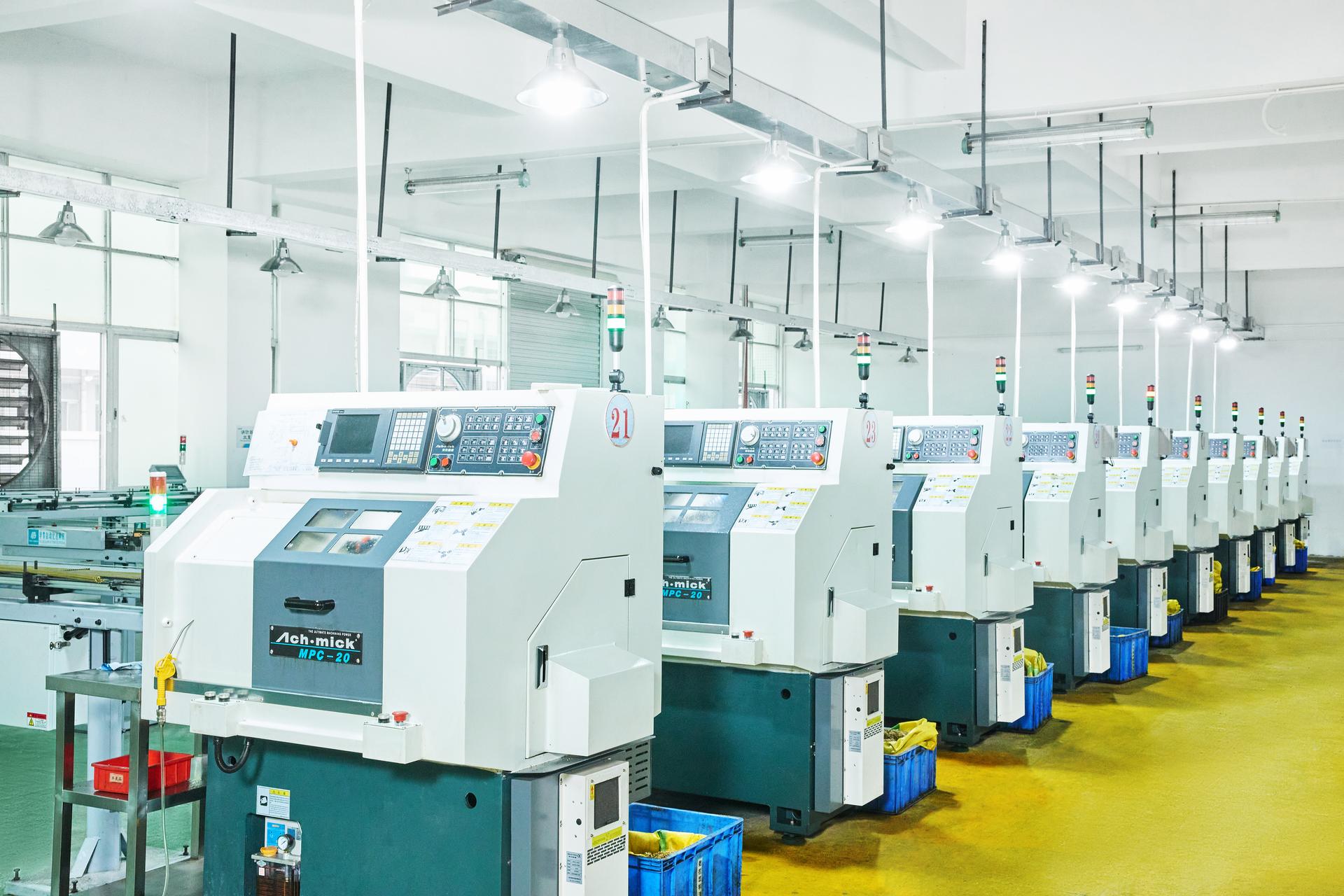
Semiconductor equipment components are ordered against a released drawing revision, and the revision matters. Two parts that look identical on screen can differ by a chamfer, a radius callout or a surface note that changes how the part has to be machined and inspected. The first thing we do with an equipment enquiry is confirm which revision we are quoting, and flag anything on the drawing that will be difficult to hold — before the quote goes out, not after the first article.
Most of this work is not exotic geometry. It is a housing, a liner, a bracket, a shaft or a manifold, machined accurately and delivered with the inspection evidence your quality system expects. What separates equipment work from general machining is the discipline around the drawing, the material and the paperwork, not the shape of the part.
Equipment programmes mix structural and functional parts in one bill of materials. These are the part families we machine most often for capital-equipment builders:
Different features go to different machines. We pick the route by geometry, material and quantity rather than by habit.
Achievable tolerance depends on the feature, the material and the route. Turning and milling hold one limit, grinding holds a tighter one on suitable features, and a feature that is straightforward in aluminium may need a ground operation in hardened steel. Send the drawing and we will confirm which features we can hold, and by which process, during engineering review.
The material usually follows from what the part touches, what it has to hold and how the tool is cleaned.
| Aluminium 6061 / 7075 | Frames, brackets and non-wetted structural parts — see aluminium grades |
| Stainless 316L / 17-4PH | Corrosion-exposed and higher-strength parts — see stainless grades |
| PEEK | Polymer parts that must hold tolerance through thermal and chemical exposure — see PEEK |
| Titanium Ti-6Al-4V | Where strength-to-weight drives the choice — see titanium |
We machine what the drawing calls out. If the grade is left open, send the application and the operating conditions and we will recommend one — the choice is confirmed during engineering review rather than guessed at quote stage.
What comes with an equipment order is agreed at RFQ, not assumed. Tell us which characteristics are critical, whether you need a first-article report, a per-batch dimensional report, material certification, or all three, and whether the documentation has to follow a format your quality system specifies. We confirm what we can provide before the order is placed, so nothing is discovered at delivery.
See Quality & Certifications for how inspection is built into the process. If your supplier qualification needs our certificate documentation and scope statements, ask for them with the RFQ and we will send what we hold with the quote.
Send the released drawing revision — a 2D PDF and 3D CAD if you have both — together with the material grade, the quantity you need now and the quantity you expect later, the critical tolerances and features, the finish callout, and the inspection or documentation your quality system requires. Add the delivery date you are working to. Our engineers review the drawing before quoting and come back with questions if anything on it is ambiguous. See How It Works for what happens between the quote and the first delivery.
Everything an engineer needs to quote without guessing.
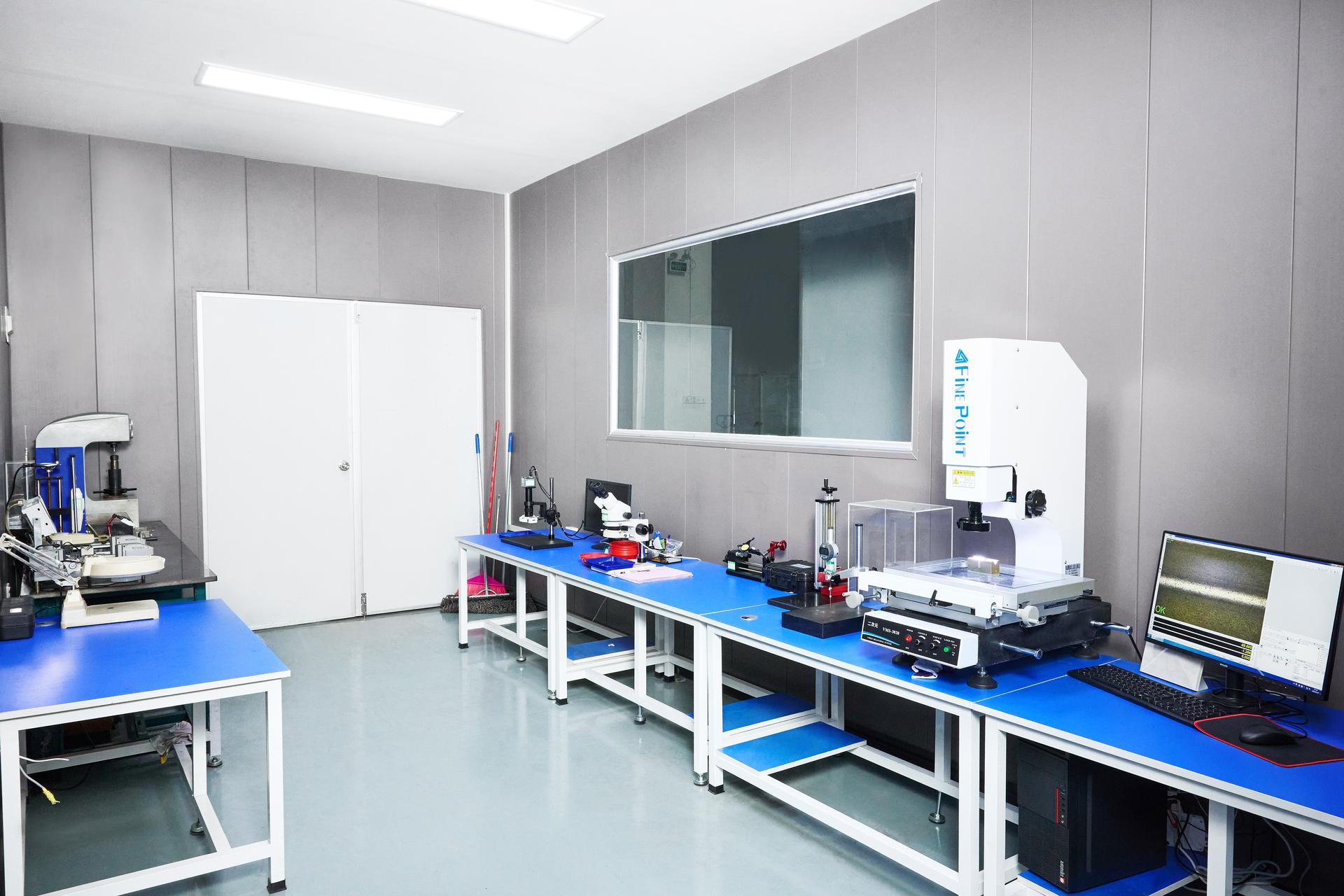 Inspection
Critical features are measured in our metrology lab against the drawing, and the report that goes out with the batch is the one agreed at RFQ.
We machine to the released drawing and the specification you attach to the RFQ. Cleanliness, handling and packaging requirements are agreed before production starts, so the parts arrive the way your process needs them. Tell us the requirement on the drawing or the purchase order and we will confirm what we can commit to during engineering review.
Aluminium 6061 and 7075 for frames and structural parts, stainless steel 316L and 17-4PH where corrosion resistance or strength drives the choice, PEEK where a polymer part has to hold tolerance, and titanium where strength-to-weight matters. We machine what the drawing calls out; if the grade is left open, send the operating conditions and we will recommend one.
It depends on the feature, the material and the process route. Turning and milling hold one limit, grinding holds a tighter one on suitable features, and a feature that is straightforward in aluminium may need a ground operation in hardened steel. Send the drawing and we will confirm which features we can hold, and by which process, during engineering review.
There is no minimum order quantity. Equipment programmes usually start with a handful of validation parts and move to repeat batches once the design is fixed, and both run on the same process route so the part you validate is the part you buy in volume.
Material documentation and dimensional inspection reports are available, and what is supplied is agreed at RFQ so it matches what your quality system expects. Tell us at quote stage whether you need documentation per batch or per first article, and whether it has to follow a format your system specifies.
Upload your 2D drawing and 3D CAD, the material and quantity, the critical tolerances and features, the finish, and the inspection or documentation you need. Our engineers review every request personally and come back with questions before a price.