
Why this choice matters
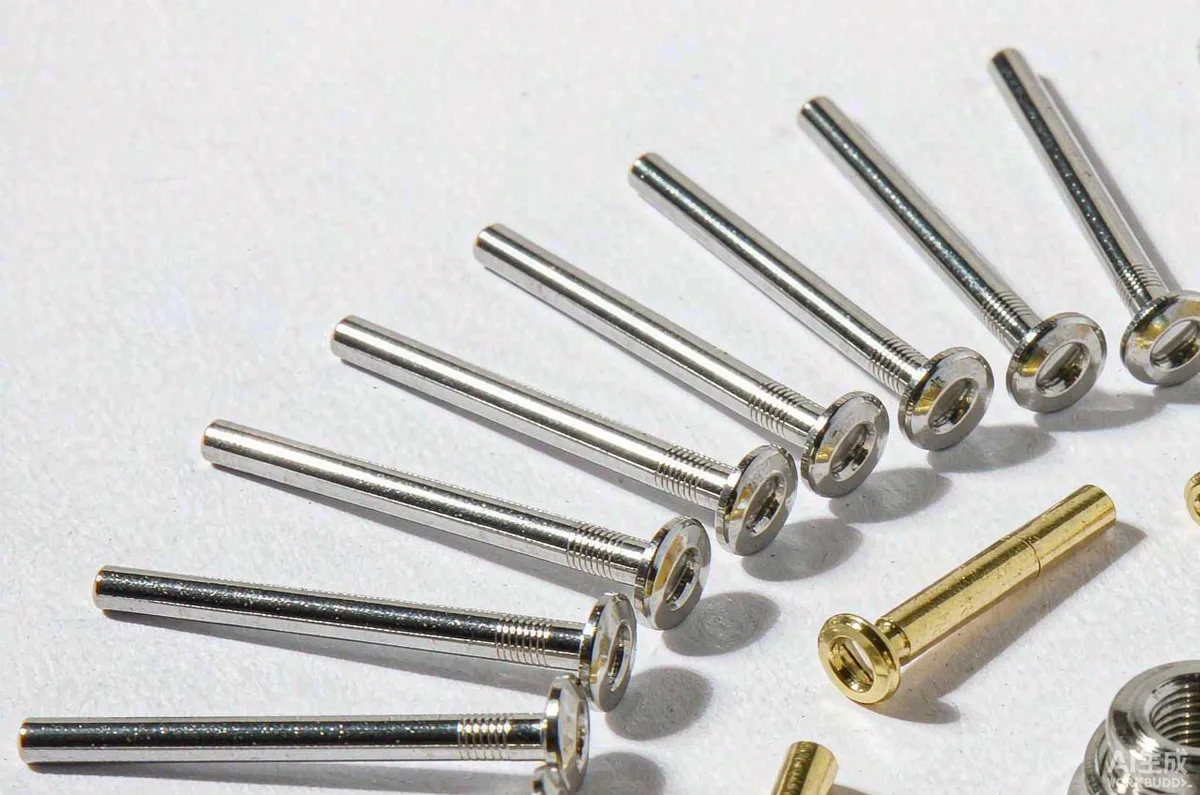
A miniature connector pin and a large hydraulic fitting can both be turned, but they create very different manufacturing problems. The connector pin may be 2 mm in diameter and 40 mm long, with tiny features packed close together and a tight length-to-diameter ratio that promotes deflection. The fitting may be 60 mm in diameter, short and rigid, and easy to grip in a chuck. Selecting the process from the drawing, not just the material, reduces setup risk and avoids paying for capability you do not need.
Both methods are CNC controlled, so the difference is not "manual vs automatic." The difference is how the workpiece is supported while it is cut, and that single detail drives which parts are easy, accurate, and economical.
What makes Swiss turning different
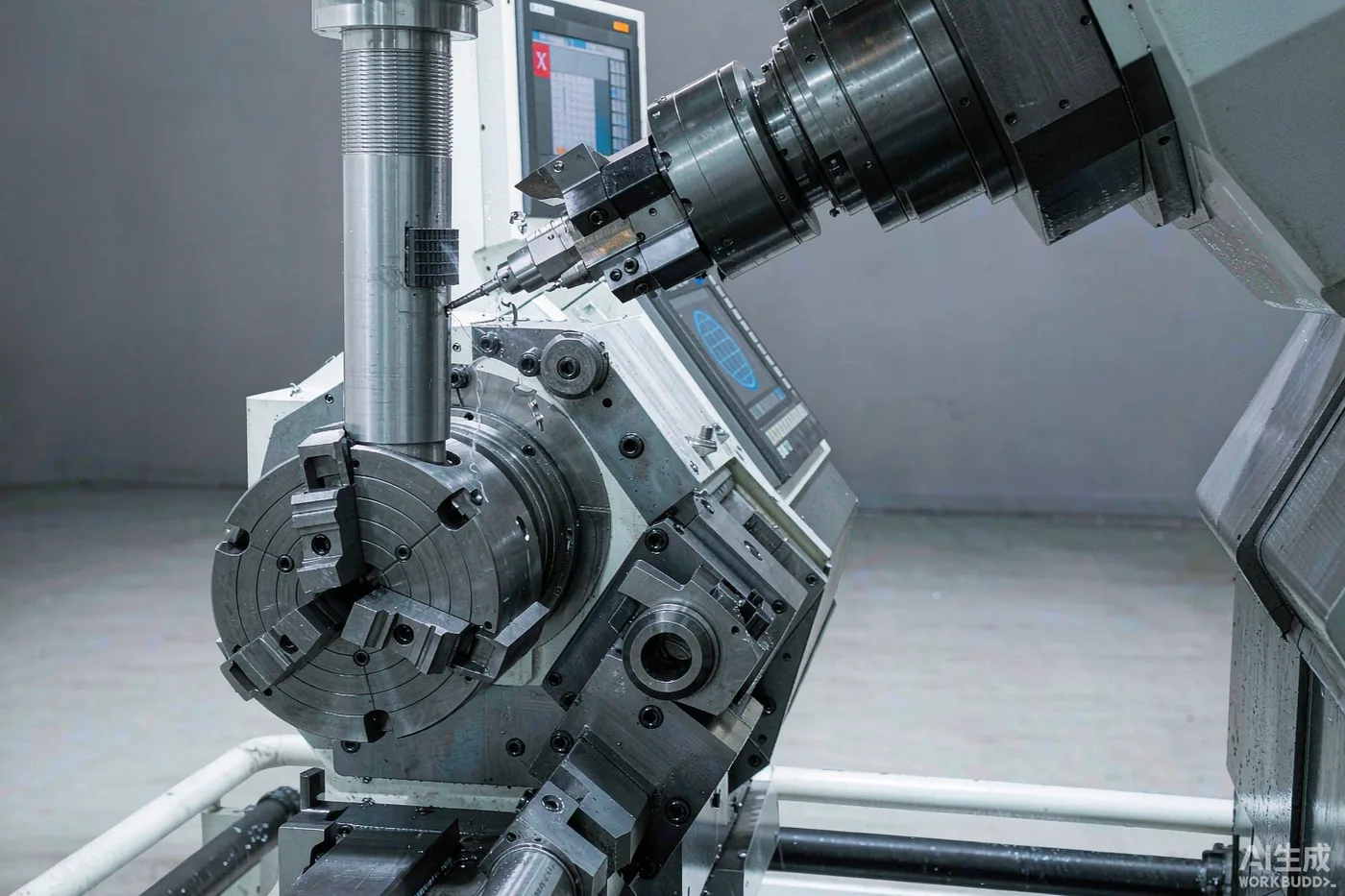
On many Swiss-type lathes, bar stock slides axially through a guide bushing while the cutting tool works close to that support point. Because the stock is held near the cut, a long, slender feature is less likely to deflect or chatter as material is removed. Conventional CNC turning typically grips the part in a chuck or collet and moves cutting tools relative to the rotating workpiece; the unsupported portion of the part extends away from the chuck.
Neither arrangement is universally more accurate. Rigidity, machine condition, tooling, setup, and in-process inspection matter far more than the label on the machine. A clean, well-maintained conventional lathe with a steady rest can outperform a poorly set-up Swiss lathe on the wrong part.
Where each process tends to win
Swiss-type turning is worth evaluating for miniature shafts, contact pins, sleeves, and slender medical or instrument components, especially when the part's length is many times its diameter. Conventional turning is often the efficient choice for larger diameters, short rigid parts, one-off prototypes, and geometries that are straightforward to chuck.
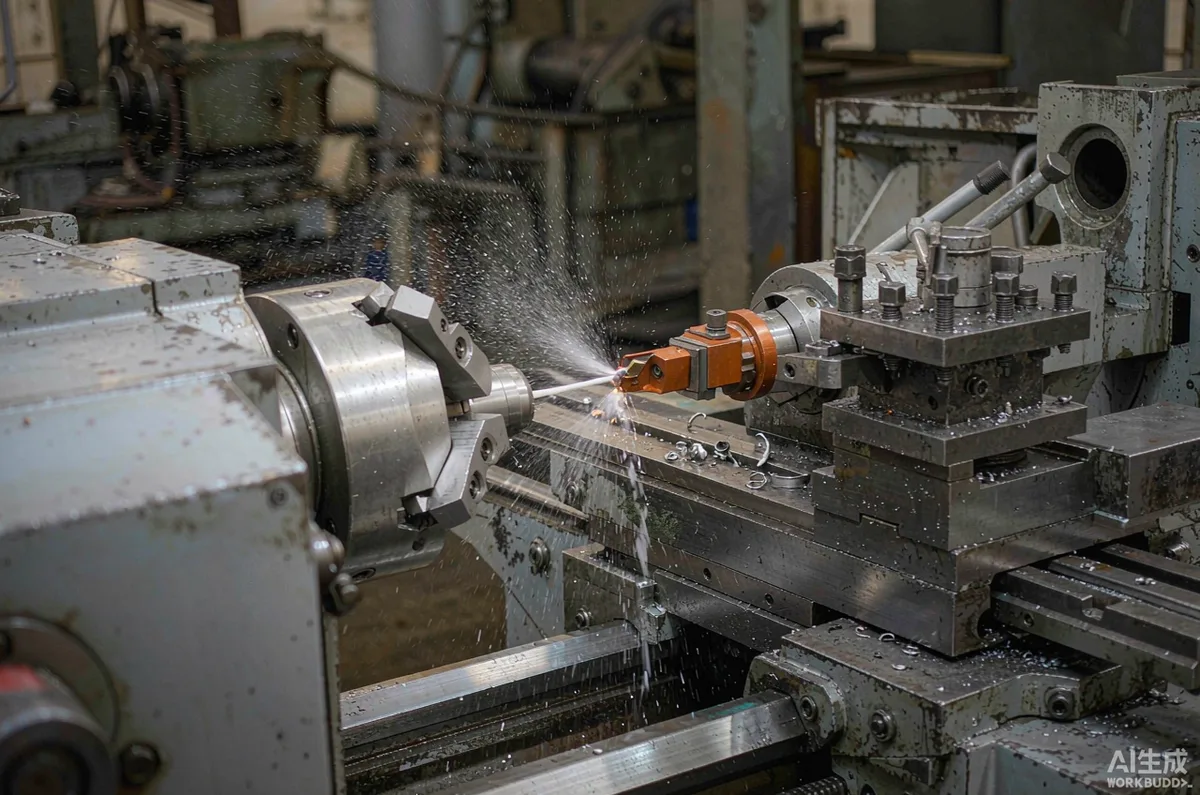
A conventional lathe with a sub-spindle, live tooling, and a steady rest can also be highly productive, so machine configuration matters more than the category name. For many buyers the real question is not "Swiss or not" but "which machine in this shop can hold my tolerances at my quantity." That is why a drawing review beats a rule of thumb. See how we scope work in our engineering and quoting process.
At-a-glance comparison
| Factor | Swiss-type turning | Conventional CNC turning |
|---|---|---|
| Best-fit geometry | Small, often slender, high length-to-diameter parts | Broad range of rotational parts, especially short and rigid |
| Workholding | Sliding headstock with guide bushing supporting stock near the cut | Chuck or collet; part extends from the gripping point |
| Where it helps most | Controlling deflection and chatter on thin features | Rigid parts where reach and access are the constraint |
| Typical cost driver | Bar feeding, setup, tooling, cycle time | Setup, cycle time, secondary operations |
| Common pairings | Medical, instrumentation, connector and electronics parts | Automotive, industrial, larger custom components |
The cost question buyers often miss
For small batches, programming and setup can dominate unit cost, so the process that machines the part fastest is not always the cheapest per piece. At higher volumes, cycle time, bar feeding, tool life, and unattended running become more important. The economic crossover cannot be stated reliably without a drawing, a material, and a batch quantity. The practical move is to ask suppliers to quote the same revision and the same inspection requirements at several quantities, then compare.
Lead time follows the same logic. Setup and material sourcing often matter more than machine speed, which is why we break down the real drivers in what actually drives CNC lead time.
Design tips that help both processes
- Call out critical diameters, concentricity, and runout clearly; do not apply the same tight tolerance to every dimension.
- Flag burr-sensitive edges and specify surface finish only where it is functional.
- For very slender features, discuss the length-to-diameter ratio and workholding before freezing the design.
- Decide whether cosmetic tool marks are acceptable; they are often harmless and removing them adds cost.
- Keep tolerances tied to function. Our tolerance stack-up guide explains how individual limits add up across an assembly.
What to ask a supplier
Before you commit, ask how the part will be supported, whether secondary operations are needed, which dimensions will be checked in-process, and how first-article inspection will be documented. For small connector parts, ask specifically how burrs and plating buildup will be controlled, because those are the failure modes that show up only after assembly. Our quality and inspection process covers how we document first-article and in-process checks.
Frequently asked questions
Is Swiss turning always more accurate than conventional CNC turning?
No. Accuracy depends on machine condition, setup, tooling, and inspection, not the process label. Swiss-type lathes help control deflection on long, slender parts, but a well-set-up conventional lathe can hold tight tolerances on rigid parts.
Is Swiss turning only for high-volume production?
No. Bar feeding makes it well suited to repeated, unattended runs, but small batches are feasible when the geometry genuinely suits the process. The economic crossover depends on the drawing, material, and quantity.
Can both processes machine stainless steel and brass?
Yes. Both handle common engineering metals with suitable tooling and parameters. Material choice is driven by the part's function and environment, not by the turning method. See our materials and finishes overview.
Which process should I choose for a small, slender connector pin?
A slender, high length-to-diameter part is a strong candidate for Swiss-type turning because the guide bushing supports the stock close to the cutting zone. Confirm the choice with a drawing review and, where volume justifies it, a sample run.
Conclusion
The right answer is the process that meets your actual specification consistently and at a defensible cost, not the one with the most capable-looking brochure. Share functional requirements, material, quantity, and inspection expectations early, and let the shop demonstrate capability on the specific features that matter. If you have a drawing, send it to our engineering team for a manufacturability review and a quote.