
A ferrous metal valued for absorbing vibration and holding up under steady compressive load, at the cost of brittleness under impact.
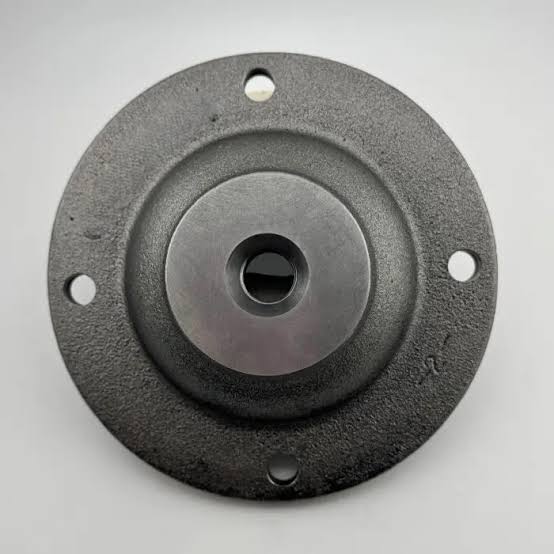
Valued for what it absorbs rather than what it resists — vibration damping and compressive load, at the cost of brittleness under sudden impact.
Strong under steady compressive load and excellent at damping vibration, but can crack or chip under a sharp impact rather than deforming.
Heavy machine bases, housings, and structural parts where mass and vibration damping matter more than impact resistance.
Machine tool beds, brake rotors, heavy equipment housings, bases.
Produces abrasive graphite-laden chips that wear tooling faster than steel — plan for more frequent tool changes.
| Density | 7.0-7.3 g/cm3 |
| Typical Hardness | Brinell 150-250 HB |
| Typical Strength | 20,000-40,000 PSI tensile (grade dependent) |
| Lead Time | Confirmed per RFQ |
| Finishing | Confirmed per RFQ |
Upload your CAD file, materials, and target quantity — we'll come back with a manufacturability review and a quote. Our engineers review every request personally.