
Standard electrochemical anodizing for aluminum — corrosion resistance and color.
A standard electrochemical process that builds up a controlled oxide layer on the surface of aluminum. Unlike a coating that sits on top of the part, the oxide layer grows out of the aluminum itself, so it doesn't peel or flake the way paint can.
The part is submerged in an acid electrolyte bath and an electric current is passed through it. This causes oxygen to bond with the aluminum surface, forming a porous oxide layer. That porous structure is what allows dye to be absorbed for color, before a final sealing step closes the pores and locks the color in.
Common on enclosures, brackets, and consumer-facing aluminum parts where both appearance and corrosion resistance matter.
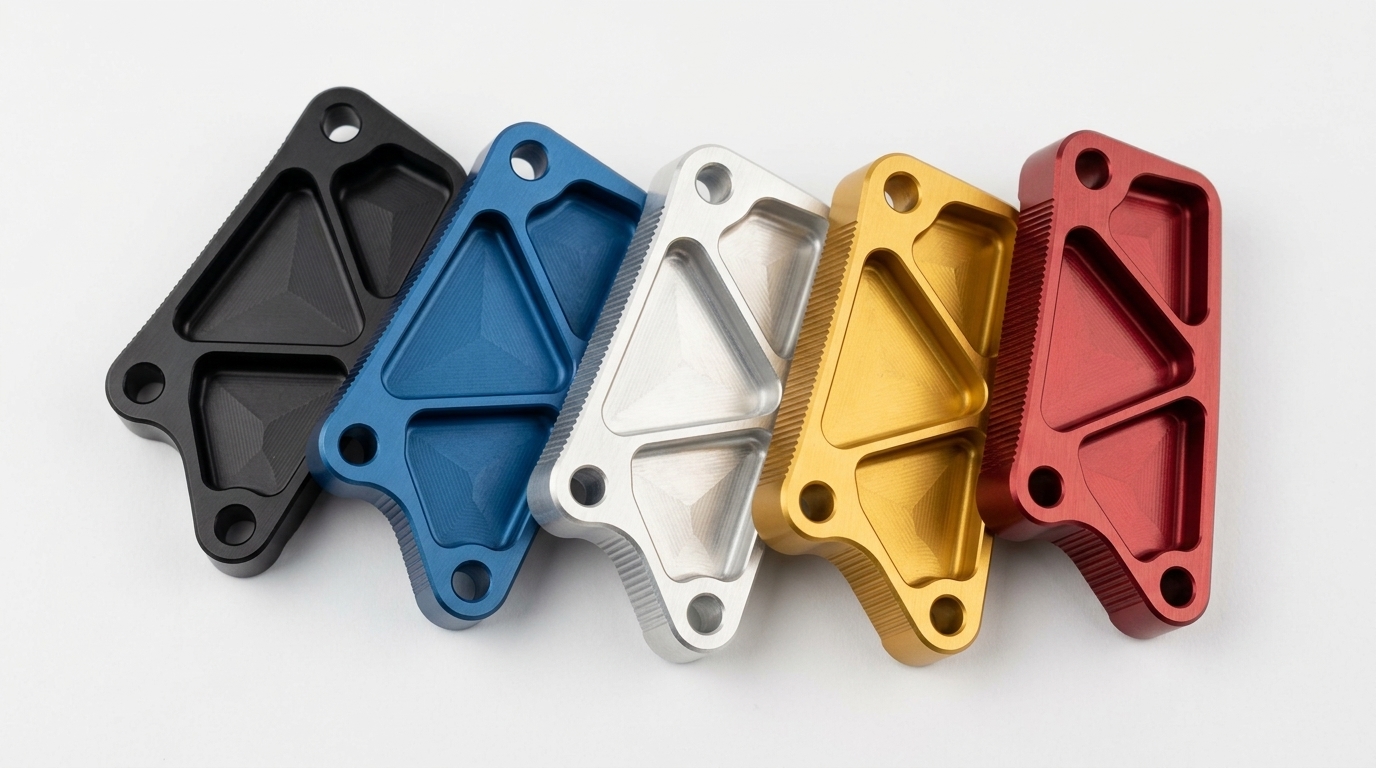
Aluminum. Full applicable-materials list, color range, and which finishes can combine are confirmed per order — see the Materials & Finishes page →
Request a QuoteUpload your CAD file, materials, and target quantity — we'll come back with a manufacturability review and a quote. Our engineers review every request personally.