
Two ink-transfer methods for applying logos, text, or graphics directly onto a molded part's surface.
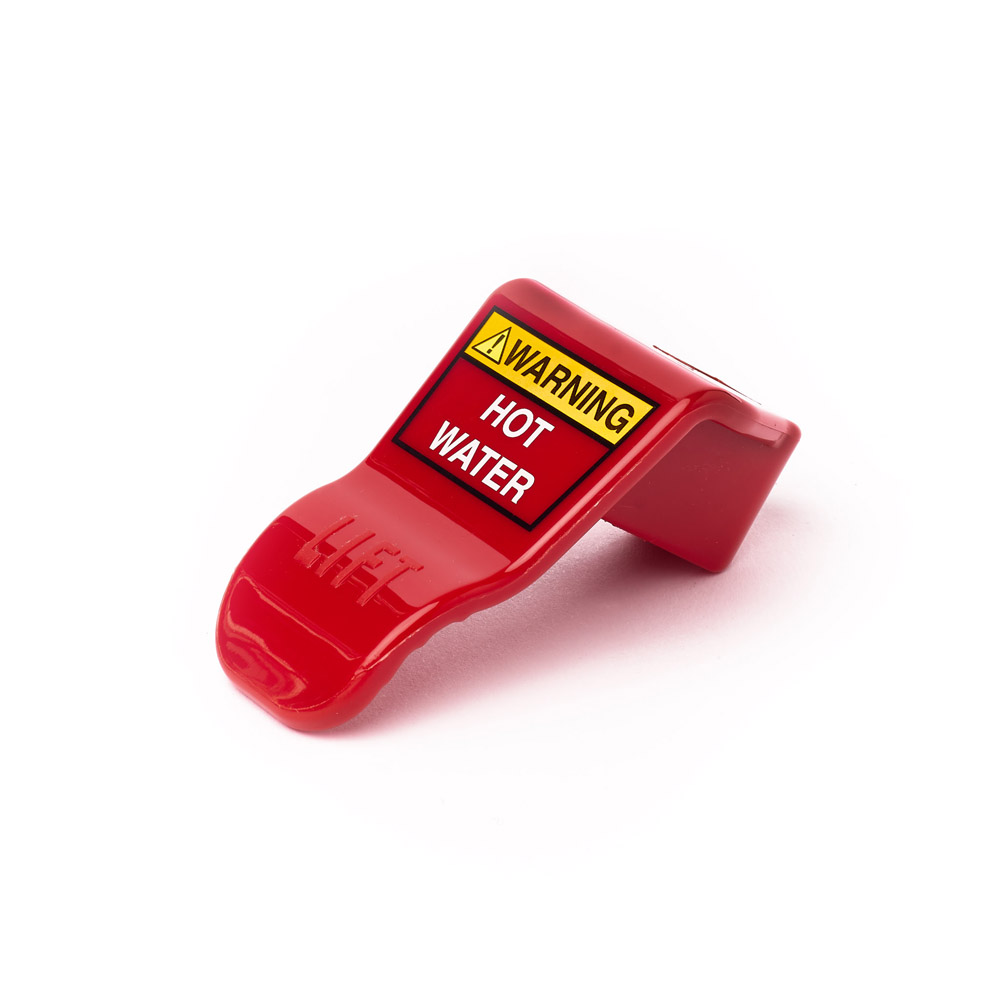
Two ink-transfer methods for applying logos, text, or graphics onto a molded surface. Pad printing transfers ink from an etched plate via a silicone pad; screen printing pushes ink through a stencil mesh.
Pad printing picks up ink from an etched image plate on a soft silicone pad, then presses it onto the part, the pad's flexibility lets it reach curved or uneven surfaces. Screen printing pushes ink through a fine mesh stencil directly onto a flat or single-curve surface, laying down a thicker, more opaque ink layer.
Logos and branding on curved housings and buttons with pad printing; graphics, dials, and nameplates on flat or cylindrical parts with screen printing.
Most rigid thermoplastics. Full applicable-materials list and options are confirmed per order — see the Injection Molding page →
Request a QuoteUpload your CAD file, materials, and target quantity — we'll come back with a manufacturability review and a quote. Our engineers review every request personally.